
Export Shipping from Iran: Documents, Packing and Costs
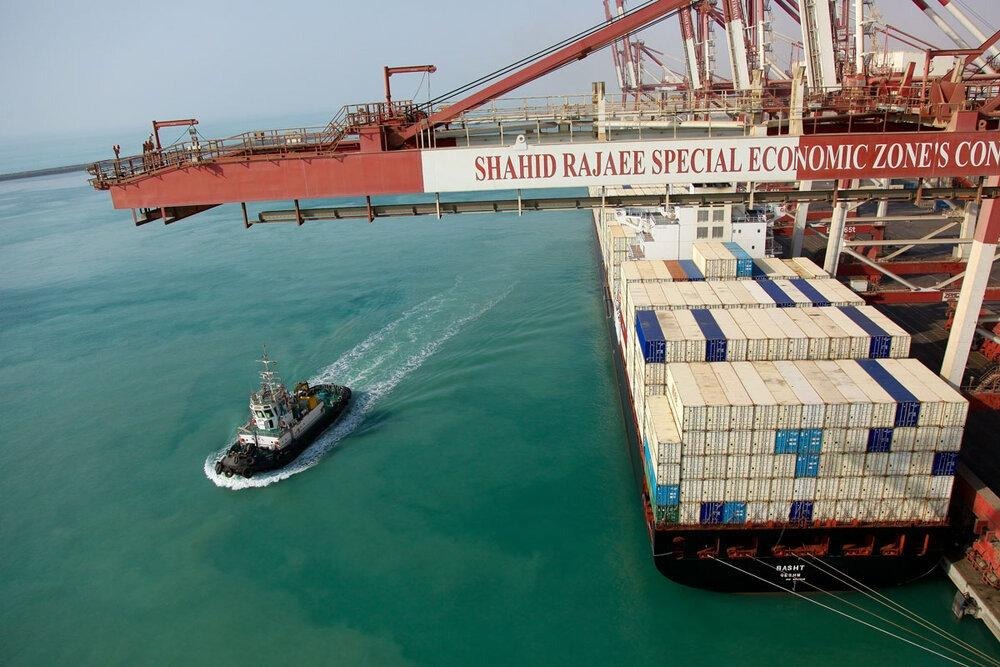
Export Sea Freight from Iran: From Cargo Preparation to Delivery
Export shipping from Iran becomes easier to plan when the cargo specifications, buyer and seller responsibilities, documents and delivery point are clear from the outset. A successful sales order can still face delays, damage or unexpected charges without suitable packing and coordinated transport. This guide helps exporters prepare the necessary information before booking and compare freight proposals on a like-for-like basis.
The article focuses on decisions that make the shipment’s journey clearer, from the loading point through to delivery to the customer.
1. Information needed for an export sea freight quote
To obtain a quote suited to your shipment, specify the following information as fully as possible and provide it to the transport company:
- The pickup address in Iran and the required delivery point at destination;
- The type and number of containers required, for containerised shipments;
- A detailed commodity description, cargo type and HS code;
- The number of packages, packing type and gross weight;
- The cargo-ready date;
- For refrigerated containers, the temperature set point, humidity level and ventilation conditions required by the cargo;
- For dangerous goods, the Material Safety Data Sheet (MSDS), including information such as the UN number, hazard class and other required specifications;
- For special equipment such as Open Top or Flat Rack containers, the equipment type, cargo dimensions and weight.
Photographs of the cargo and its packing help with the assessment.
2. Export shipping documents: what should you check?
The final document requirements depend on the commodity, destination country, route, transport mode and terms of the transaction. The table below is a starting point; the requirements for the particular shipment should be confirmed with the person handling customs matters and the destination party.
| Document or information | Practical check before shipping |
|---|---|
| Export cargo tally sheet | Check that the cargo owner or their legal representative is correctly identified. |
| Customs declaration | Check that the declared commodity details, quantity, weight and value match the supporting documents and the cargo. |
| Shipping document instructions | Verify the shipper, consignee, notify party and delivery point before the final document is issued. |
| Draft bill of lading | Check and approve all details before departure, including the parties, cargo description and weight, ports of loading and discharge, and vessel name. |
A vague description such as “parts” is not sufficient to identify a shipment accurately. For chemicals, batteries and cargo with special requirements, provide technical information and the relevant documents to the transport company before booking.
3. Specify the Incoterms rule and the exact delivery point
Incoterms rules define the buyer’s and seller’s obligations, costs and risks in relation to delivery. When requesting a freight quote, state the agreed rule and the precise named place or relevant port. An Incoterms code on its own, without the named place, is not sufficient.
Before booking, clarify each party’s responsibilities for inland transport, export formalities, freight charges and destination costs.
4. Which transport option suits your export cargo?
Select the transport mode according to the customer’s delivery requirements, cargo value, weight and volume, shipment frequency, and the facilities available at origin and destination.
| Transport mode | When to consider it | Selection criteria |
|---|---|---|
| Sea freight: FCL or LCL | Containerised cargo or shipments suitable for sea freight consolidation | Compare port and destination charges, handling stages and sailing schedules alongside the freight rate. |
| Road freight: FTL or LTL | Markets with a workable road route, for full-truckload or less-than-truckload shipments | Clarify the border crossings, consolidation time and delivery point. |
| Air freight | Urgent shipments, samples or time-sensitive cargo | Check chargeable weight, cargo dimensions, commodity type and the airline’s cargo acceptance restrictions. |
| Rail freight | Shipments for which a suitable rail route and access to freight services on the rail network are available. | Check rail access, train departure schedules, terminal facilities and cargo delivery arrangements. |
| Multimodal transport | When using two or more transport modes, such as sea, road and rail, is more suitable for the shipment. | Consider coordination between transport modes, transfer time between stages and the total transport cost. |
5. Prepare export packing for the entire journey
Packing should withstand forklift handling, vibration, stacking pressure and conditions along the route. Select cartons, pallets or crates, lifting points, stacking limits and securing arrangements to suit the cargo. Identifying the cargo’s centre of gravity and approved lifting points helps support safe loading plans.
6. Compare the total shipping cost, including all services and additional charges
When comparing sea freight quotations, make sure the origin, destination, cargo specifications and delivery terms are the same in every offer. Costs and services should be clearly itemised, including:
- Origin charges: Inland transport, loading, packing and securing, where required;
- Documentation and customs services: Charges for the agreed formalities and documents;
- Sea freight charges: Freight and port or terminal charges;
- Other transport-related charges: Transshipment, cross-stuffing and other additional services, where required;
- Destination local charges: Local charges at the destination port, including THC, documentation fees and other related charges.
Also check the currency, rate validity and charging basis. For containerised shipments, review container free time, the return deadline, and demurrage, detention and storage charges separately, as each has its own conditions and calculation basis.
Request an export freight proposal tailored to your shipment
Drawing on the capabilities of its group companies, Farvahar Group assesses international transport solutions according to the commodity, route and requirements of each shipment.
To request a freight proposal and quotation, send the origin, destination, packing list, delivery terms and cargo-ready date through Farvahar Group’s contact and quote request page. Service availability, available capacity and operational conditions will be confirmed after the shipment details have been reviewed.
 فارسی
 English
 Türkçe
With our freight request you can design your project in no time at all.