
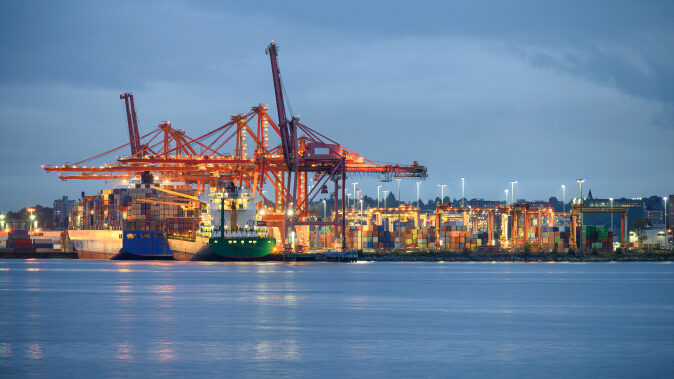
Shipping from China to Iran | Sea, Road & Air Freight
Shipping from China to Iran is not simply a choice between the cheapest and the fastest route. The right plan depends on the supplier’s city, cargo type, gross weight, volume, required delivery date, Incoterm, export documents and the importer’s customs arrangements. This guide compares sea, road, rail and air freight so importers can choose a practical route and request a quotation based on the actual shipment.
China to Iran shipping options at a glance
| Mode | Timing to confirm | Best suited to | Relative cost | Key pricing basis |
|---|---|---|---|---|
| Air freight | Confirm the flight schedule and acceptance time | Urgent, valuable, sensitive or lightweight cargo | Highest | Chargeable weight, route and handling requirements |
| Road freight | Confirm dispatch and border arrangements | Commercial cargo, FTL and LTL shipments | Medium | Truck type, load size, origin and border route |
| Rail / multimodal | Confirm train availability and terminal time | Regular and relatively high-volume cargo | Medium | Rail schedule, terminals and first/last-mile transport |
| Sea freight | Confirm sailing and transshipment schedules | Heavy, bulky, containerized or less urgent cargo | Usually lowest per unit | FCL/LCL basis, ports, equipment and local charges |
Confirm the delivery estimate for your actual shipment. Origin handling, carrier schedules, transshipment, customs, port congestion, border conditions, weather and final delivery can change the total lead time.
How to choose the right freight mode
Start with five questions: What exactly is the commodity? Where in China is it ready? How much does it weigh and how much space does it occupy? When must it arrive? Which Incoterm governs the purchase? Without these details, two quotations can look comparable while covering very different scopes.
For smaller shipments, road or air may sometimes offer a better total result than expected after warehouse and consolidation costs are included. For heavy or high-volume cargo, sea freight is generally more economical. Rail can be valuable when the origin, schedule and terminal connections align. A sound decision compares total landed logistics cost, risk and lead time—not the main freight charge alone.
Sea freight from China to Iran
Sea freight from China to Iran is the main option for containerized, heavy and high-volume cargo. Full Container Load (FCL) gives one shipper use of the container, while Less than Container Load (LCL) consolidates smaller consignments with other cargo. LCL can be efficient for limited volume, but consolidation, warehouse handling, deconsolidation and extra cargo movements must be considered.
Common export gateways include Shanghai, Ningbo, Shenzhen/Yantian, Qingdao, Tianjin/Xingang, Xiamen and Guangzhou-area terminals. The nearest port is not automatically the best choice: inland pickup cost, sailing frequency, equipment availability and carrier routing also matter.
A proper ocean quote should identify the container type, ocean freight, origin handling, documentation, seal, Verified Gross Mass (VGM), export declaration, destination charges, free time and any inland transport. See our detailed guide to China to Iran container shipping costs before comparing FCL or LCL offers.
FCL or LCL?
- FCL: suitable when the shipment requires dedicated space, lower handling exposure or enough volume to justify a full 20ft, 40ft or special container.
- LCL: suitable for smaller consignments that can safely share consolidation space and do not require exclusive equipment.
- Special cargo: reefer, open-top, flat-rack, out-of-gauge and dangerous goods must be checked individually with the operating carrier.
Road freight from China to Iran
Road freight from China to Iran can provide a useful balance between speed, flexibility and cost. Cargo may move as Full Truck Load (FTL) or Less than Truck Load (LTL). The operational plan can involve pickup from an inland production center, movement toward Khorgos or another approved corridor, border procedures and onward delivery to Iran.
FTL normally suits larger consignments, cargo that benefits from fewer handling points or loads requiring a dedicated vehicle. LTL can work for smaller commercial shipments but needs clear packaging, dimensions and handling instructions. Export capability at the supplier side should be confirmed before collection; missing export documents can cause avoidable delays and storage costs.
Truck type, axle and route limits, border procedures, transloading needs, customs seals, cargo insurance and final delivery conditions all affect the quote. Batteries, chemicals and other regulated goods are accepted only after document review and route approval.
Rail and multimodal freight
Rail can be considered for regular, relatively high-volume shipments when the origin is well connected to a rail terminal and a workable schedule is available. It is usually part of a multimodal chain: trucking collects the cargo, rail covers the main corridor and road transport completes delivery.
Availability should be confirmed for the specific cargo-ready date. Departure frequency, wagon or container capacity, terminal handling, gauge changes, transshipment and first/last-mile transport can affect both time and cost. A rail quote should therefore be assessed as an end-to-end solution rather than only a station-to-station price.
Air freight from China to Iran
International air freight is appropriate for production-critical parts, samples, electronics, medical or sensitive equipment, high-value products and cargo with a short delivery window. Airport selection, direct or connecting service, airline capacity, security screening, export handling and final customs arrangements influence the schedule.
Air freight is charged on the greater of actual gross weight and volumetric weight. Exact dimensions for every package are essential. Use the online CBM and volumetric weight calculator to estimate chargeable volume before requesting a rate.
Battery-powered goods, liquids, powders, chemicals, magnets, temperature-controlled products and other restricted items may need an MSDS, UN classification, test report, special packaging or airline approval. Acceptance must be confirmed before collection.
Major origins in China
| Origin area | Typical logistics considerations | Modes commonly reviewed |
|---|---|---|
| Shanghai, Ningbo, Suzhou, Hangzhou | Dense manufacturing base and access to major eastern ports | Sea, air, road and multimodal |
| Shenzhen, Guangzhou, Dongguan, Foshan | Electronics, machinery and export manufacturing across South China | Sea and air, with road options for selected cargo |
| Qingdao, Tianjin, Beijing region | Northern port access and industrial cargo | Sea, air and multimodal |
| Yiwu and inland trading centers | Supplier consolidation and careful warehouse coordination may be required | LCL, road, rail and air |
| Western China / Khorgos-connected origins | Road or rail may reduce unnecessary movement toward coastal ports | Road, rail and multimodal |
What determines the shipping cost?
Start with the pricing basis for the chosen service. See our China to Iran air freight cost guide for chargeable weight and a worked example, or the container and LCL cost guide for sea freight charges. A single price per kilogram cannot compare all transport modes.
The cost of shipping from China to Iran changes with the market and the shipment. The most important variables are:
- exact pickup city, departure port or airport, and final destination;
- commodity, HS code where available, value and customs sensitivity;
- number of packages, dimensions, gross weight and stackability;
- FCL, LCL, FTL, LTL, air or multimodal service;
- container, truck, airline or special-equipment requirements;
- Incoterm and the division of origin and destination responsibilities;
- cargo-ready date, carrier capacity, season and route conditions;
- export declaration, inspection, storage, insurance and final delivery;
- dangerous-goods, reefer, oversized or high-value handling requirements.
Incoterms and responsibility
Incoterms define where cost and risk pass between seller and buyer; they do not replace the sales contract or customs rules. Under EXW, the buyer may need collection and export arrangements from the supplier’s premises. Under FCA, the seller delivers to an agreed carrier location. FOB is commonly associated with sea freight and places responsibilities around shipment at the port of loading. CFR and CIF include main ocean freight, with CIF also including minimum insurance under the applicable rule. DAP and DDP extend delivery responsibility further, but feasibility and local legal obligations must be reviewed carefully.
The named place is essential. “FCA Shanghai warehouse” and “FCA Ningbo terminal” are not the same commercial scope. Always include the full Incoterm and named location in the quote request.
Documents commonly required
- commercial invoice with buyer, seller, commodity, value and Incoterm;
- packing list showing package count, dimensions, gross and net weight;
- transport document such as bill of lading, air waybill, CMR or rail document;
- certificate of origin when required;
- export declaration and supplier authorization where applicable;
- insurance certificate when arranged;
- MSDS, UN number, test reports or permits for controlled and dangerous goods;
- product-specific certificates requested by customs or the competent authority.
Document consistency matters. Differences in product description, quantity, weights, consignee details or values can delay export, transit or import formalities.
A practical China–Iran shipping process
- Shipment review: confirm commodity, route, dimensions, weight, value, Incoterm and target delivery date.
- Mode comparison: review realistic sea, road, rail or air alternatives and total logistics scope.
- Quotation: state included and excluded charges, validity, expected timing and required documents.
- Booking and collection: reserve capacity and coordinate with the supplier or origin warehouse.
- Export handling: complete declaration, terminal or warehouse procedures and carrier acceptance.
- Main transport: monitor milestones and communicate material schedule changes.
- Arrival and delivery: coordinate documents, customs arrangements and final inland movement according to the agreed scope.
How to request an accurate freight quote
For a ready-to-complete enquiry, use our freight quote checklist and request template.
Send the pickup address or port, delivery city, commodity, packing list, gross weight, package dimensions, cargo value, HS code if known, Incoterm, cargo-ready date and preferred mode. For FCL, specify container type and quantity. For road freight, state whether FTL or LTL is expected. For air freight, provide dimensions of each package. Include photographs and technical documents for unusual, fragile, oversized or regulated cargo.
Farvahar Group reviews the shipment through the relevant operational mode and proposes a route based on the information available. Final acceptance, price and schedule remain subject to carrier capacity, document approval and operating conditions at booking.
Frequently asked questions
What is the cheapest way to ship from China to Iran?
For heavy or high-volume cargo, sea freight is usually the lowest-cost option per unit. The actual answer depends on inland pickup, local charges, consolidation costs, urgency and final delivery. A small shipment may sometimes be more practical by road or air.
How long does shipping from China to Iran take?
Air freight may take several working days airport to airport, road freight often takes several weeks, and sea freight commonly requires several weeks port to port. These are indicative ranges. Booking availability, transshipment, customs, borders and final delivery determine the actual lead time.
Can you collect cargo from the supplier’s factory?
Factory pickup can be included when the exact address, cargo details, loading conditions and seller’s export capability are confirmed. The quote should state whether pickup, export declaration and origin handling are included.
Which is better: FCL or LCL?
FCL offers dedicated container space and fewer consolidation handling points. LCL can be economical for smaller volumes. Compare total origin and destination charges, transit time, handling sensitivity and cargo volume rather than CBM alone.
Can dangerous goods be shipped from China?
Potentially, but only after technical review. Provide the current MSDS, UN number, class, packing group, packaging details and quantity. Acceptance depends on the selected carrier, route, equipment and applicable regulations.
Do online freight prices include customs duty?
Usually not. Freight quotations commonly separate transport and handling from Iranian customs duty, taxes and product-specific clearance costs. Every quotation should identify exactly what is included.
Plan your shipment from China to Iran
Send your packing list and route details for a practical comparison of sea, road, rail and air options. We will review the operational scope before issuing a current quotation.
Request a Freight Quote Container Cost Guide Sea Freight Guide Road Freight Guide فارسی
 English
With our freight request you can design your project in no time at all.