
Choosing an International Shipping Method: Air, Sea, Road or Rail?
انتخاب روش درست حمل و نقل بینالمللی، یکی از تصمیمهای کلیدی هر کسبوکاری است که با واردات یا صادرات کالا سروکار دارد. هزینه، زمان تحویل، نوع کالا و مقصد نهایی، همگی در انتخاب بین حمل هوایی، دریایی، زمینی یا ریلی نقش دارند. در این راهنما، مزایا و کاربرد هر روش را بررسی میکنیم تا بتوانید مناسبترین گزینه را برای محموله خود انتخاب کنید.
برای یک نمونه عملی، راهنمای حمل بار از چین به ایران چهار روش اصلی را برای یک مسیر تجاری مقایسه میکند و صفحه حمل زمینی چین به ایران جزئیات مسیر خورگس، FTL و LTL را توضیح میدهد.
حمل و نقل بینالمللی هوایی: سریعترین راه رساندن کالا
حمل هوایی بینالمللی گرانترین ولی سریعترین روش انتقال کالا بین کشورهاست و معمولاً بین چند ساعت تا چند روز به مقصد میرسد. این روش برای کالاهای فاسدشدنی، محصولات با ارزش بالا، قطعات یدکی فوری و نمونههای تجاری که سرعت تحویل اهمیت بیشتری از هزینه دارد، گزینهای عالی است.
حمل دریایی بینالمللی: اقتصادیترین گزینه برای حجم بالا
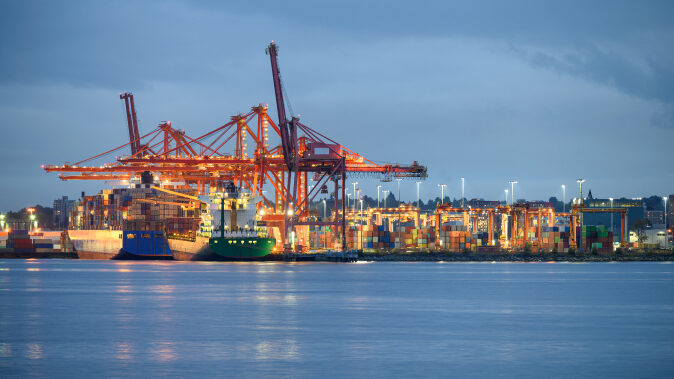
حمل دریایی بینالمللی رایجترین روش تجارت جهانی است و بیش از هشتاد درصد حجم کالاهای بینالمللی از این طریق جابهجا میشود. اگرچه زمان انتقال طولانیتر (معمولاً چند هفته) است، اما هزینه هر واحد کالا بهمراتب پایینتر از حمل هوایی است. این روش برای واردات و صادرات حجم بالا، کالاهای سنگین، مصالح ساختمانی و محمولههای کانتینری کامل یا خرد، بهترین انتخاب اقتصادی محسوب میشود.
حمل زمینی و ریلی: انعطافپذیری در مسیرهای منطقهای
حمل زمینی بینالمللی برای کشورهای همسایه و مسیرهای منطقهای، ترکیبی مناسب از سرعت و هزینه ارائه میدهد و امکان تحویل درببهدرب را بدون نیاز به بارگیری و تخلیه مکرر فراهم میکند. حمل ریلی نیز بهویژه در مسیرهای طولانی زمینی مانند کریدورهای بین قاره آسیا و اروپا، گزینهای مقرونبهصرفه و پایدار برای محمولههای حجیم است.
چطور روش مناسب را انتخاب کنیم؟
پیش از انتخاب روش حمل، این عوامل را در نظر بگیرید:
- زمان مورد نیاز برای تحویل کالا به مقصد
- نوع، حساسیت و ارزش کالا
- حجم و وزن محموله
- بودجه در نظر گرفتهشده برای حملونقل
- مقصد نهایی و زیرساخت حملونقل آن کشور
نقش یک فورواردر بینالمللی حرفهای
در بسیاری از موارد، بهترین راهحل ترکیبی از چند روش حمل است؛ مثلاً استفاده از حمل دریایی برای بخش اصلی مسیر و حمل زمینی برای رساندن کالا از بندر تا انبار نهایی. یک فورواردر با تجربه در حمل و نقل بینالمللی میتواند با شناخت مسیرها، قوانین گمرکی و شرکای عملیاتی در کشورهای مختلف، مقرونبهصرفهترین و مطمئنترین مسیر را برای هر محموله طراحی کند و از ابتدا تا تحویل نهایی، فرآیند را پیگیری نماید.
گروه فروهر با بیش از چهل سال تجربه در حمل و نقل بینالمللی هوایی، دریایی، زمینی و ریلی، آماده است تا مسیر بهینه برای محموله شما را طراحی کند. برای دریافت مشاوره تخصصی و استعلام نرخ حمل، همین امروز با تیم ما تماس بگیرید.
مدارک مورد نیاز برای حمل و نقل بینالمللی
صرفنظر از روش انتخابی، تهیه صحیح مدارک، از تأخیرهای گمرکی و هزینههای اضافی جلوگیری میکند. مهمترین مدارک معمولاً شامل موارد زیر است:
- سیاهه تجاری (Commercial Invoice) و لیست بستهبندی (Packing List)
- بارنامه حمل (Bill of Lading برای دریایی یا Airway Bill برای هوایی)
- گواهی مبدأ (Certificate of Origin)
- مجوزهای گمرکی و ثبت سفارش (برای واردات و صادرات از ایران)
داشتن یک شریک لجستیکی که مدارک لازم را پیش از ارسال بررسی و آماده کند، به کاهش تأخیرهای قابل پیشگیری و هزینههای اضافی کمک میکند. تیم گروه فروهر در مراحل آمادهسازی اسناد و هماهنگی امور حمل همراه مشتریان است.
برای آشنایی با اصطلاحات استاندارد تحویل کالا، راهنمای رسمی قواعد Incoterms® در وبسایت اتاق بازرگانی بینالمللی را مطالعه کنید.
اگر هنوز میان حمل هوایی، دریایی و زمینی مردد هستید، ابزار محاسبه حجم و وزن قابل محاسبه کمک میکند فضای اشغالشده، وزن حجمی هوایی و Freight Ton تقریبی بار را قبل از انتخاب روش حمل مقایسه کنید.
 فارسی
فارسی English
With our freight request you can design your project in no time at all.